Coming Early or Staying Late?
A few of our own favourites, plus the places worth the drive, all with roughly how far they are from Skaleta.
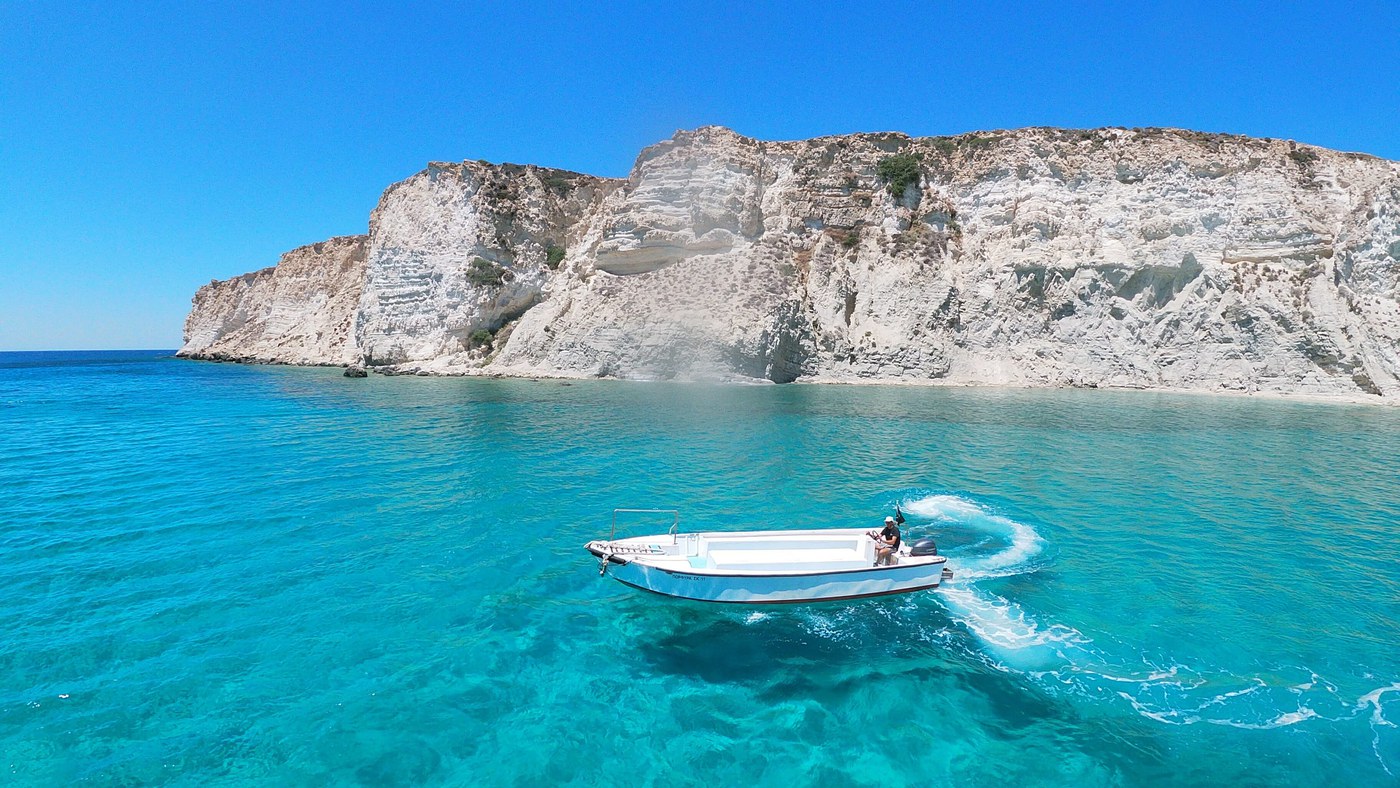
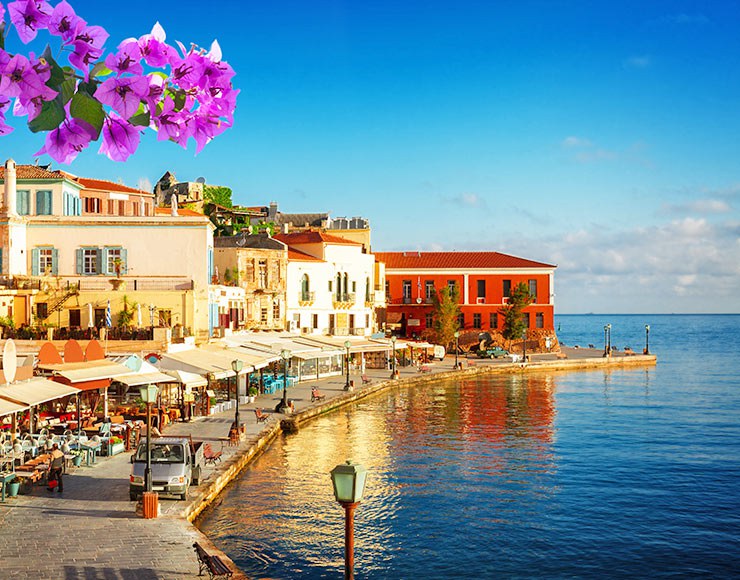
Welcome to Crete
Crete's history stretches across thousands of years, shaped by a succession of powerful civilisations and empires. The earliest human presence goes back to the Neolithic period (around 7000 BC), when farming communities likely arrived by boat from nearby Anatolia or the eastern Mediterranean, bringing agriculture, pottery, and animal domestication.
By around 3000 BC, these communities had developed into the Minoan Civilization (c. 3000–1100 BC), often considered Europe's earliest advanced society, with major centres like Knossos Palace serving as political, religious, and cultural hubs, until their decline after widespread destruction around 1375 BC.
Historians still debate the exact cause. Most evidence points to a combination of disasters: a powerful volcanic eruption on nearby Santorini (Thera) that triggered tsunamis and climate disruption, invasion or takeover by the Mycenaeans from mainland Greece, and internal pressures like earthquakes and disrupted trade networks. Most likely, it wasn't one single catastrophe, but several arriving together.
In later antiquity, Crete was ruled by the Romans, then became part of the Byzantine Empire. In 1204, after the Fourth Crusade, the island was taken over by the Republic of Venice, which ruled until 1669 and built the major fortifications you can still see today, the Venetian Walls and Harbour of Heraklion among them.
In 1669, after a long siege, Crete fell to the Ottoman Empire, whose rule lasted until the 19th century and was marked by repeated Cretan resistance. One notable uprising is remembered on 25th of August Street in Heraklion, symbolising the long struggle for freedom.
Crete finally gained autonomy in 1898 and officially united with Greece in 1913. Today, the island reflects this whole layered history: Minoan heritage, Byzantine tradition, Venetian architecture, and Ottoman-era influences, in one unique cultural landscape.
Our Walking Tour of Heraklion
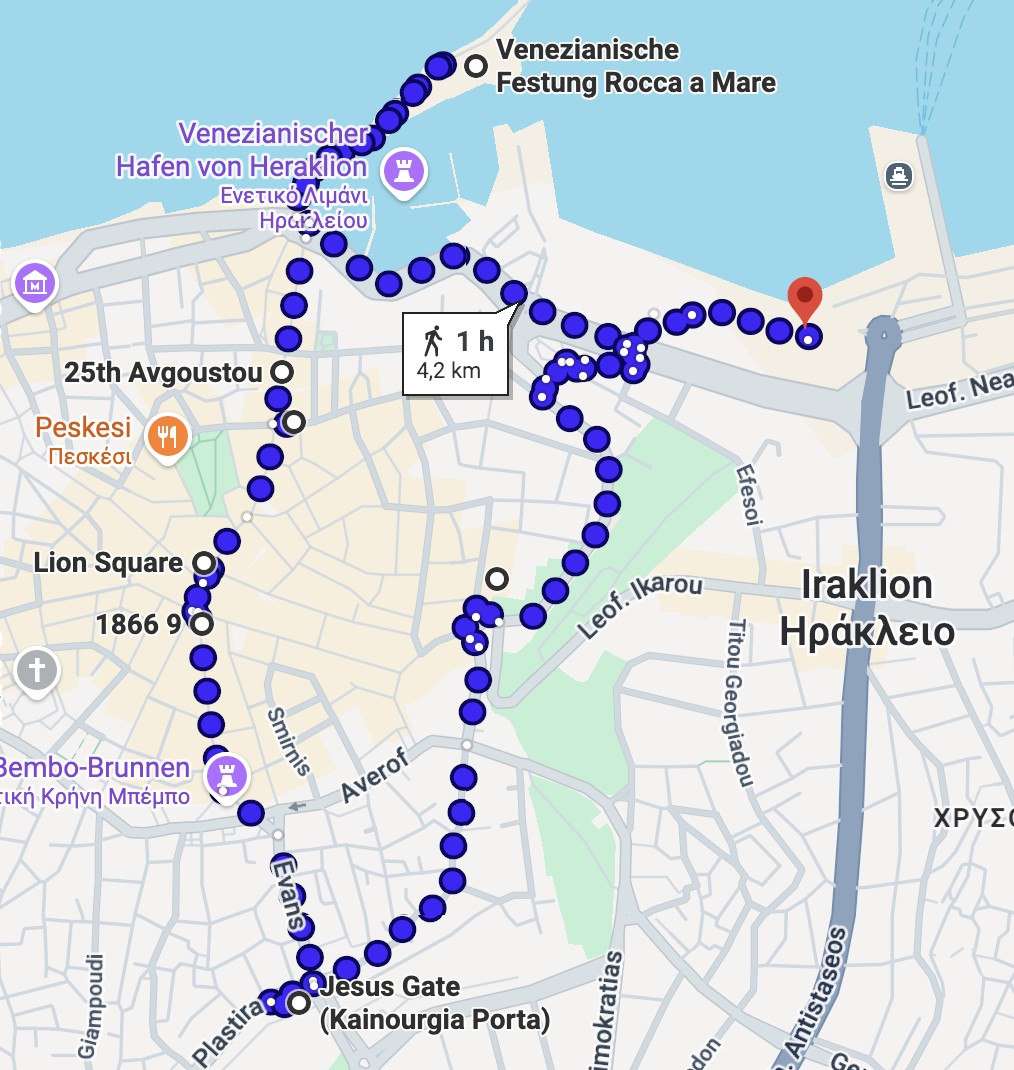
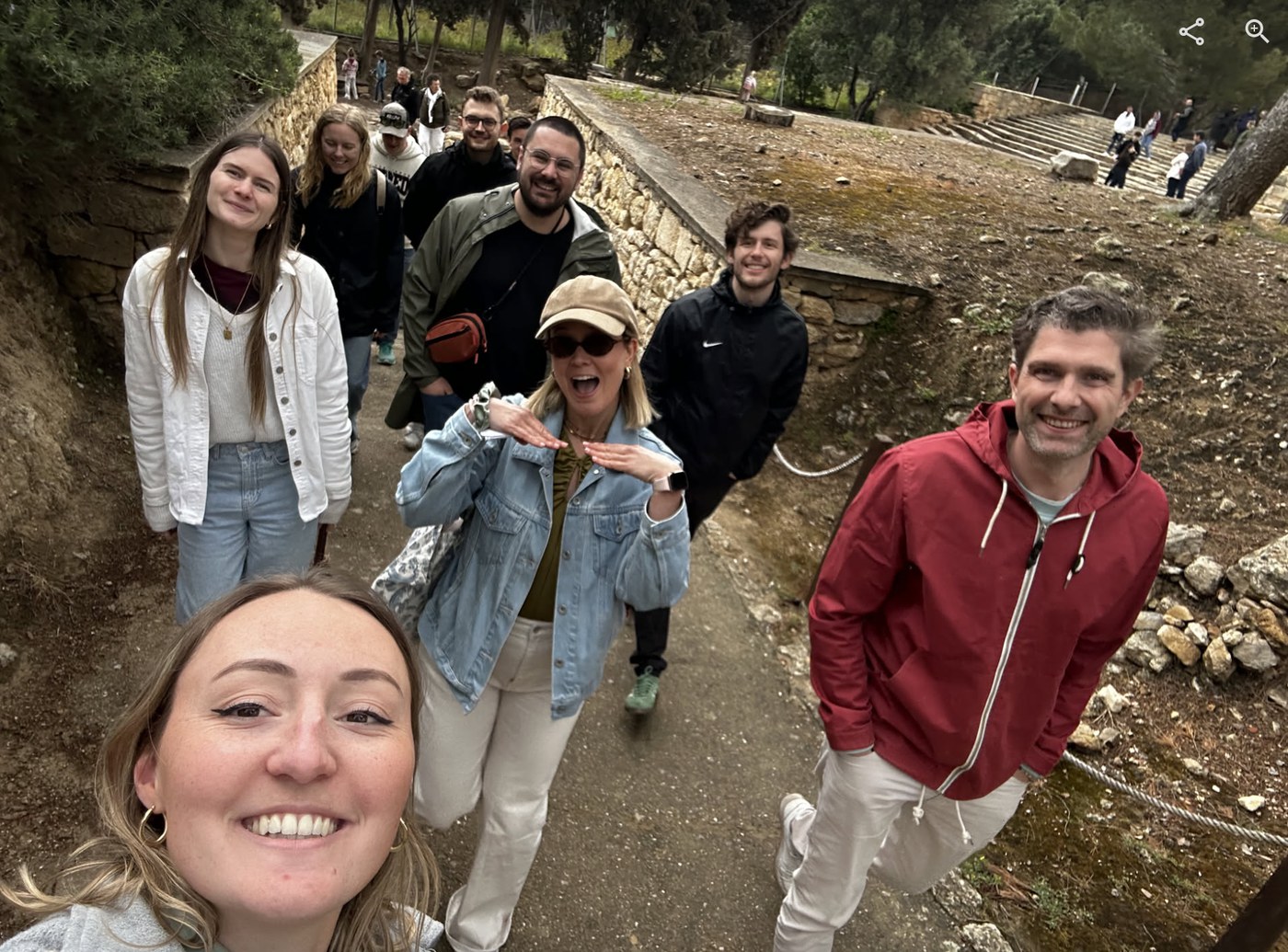
We designed and walked this route ourselves on an earlier trip to Crete: from myth to modern life in about 3.5 km.
Knossos → Old Venetian Harbour → 25th August Street → Anchorage (Lunch) → Lion Square → 1866 Street → Jesus Gate → Archaeological Museum
Knossos Palace
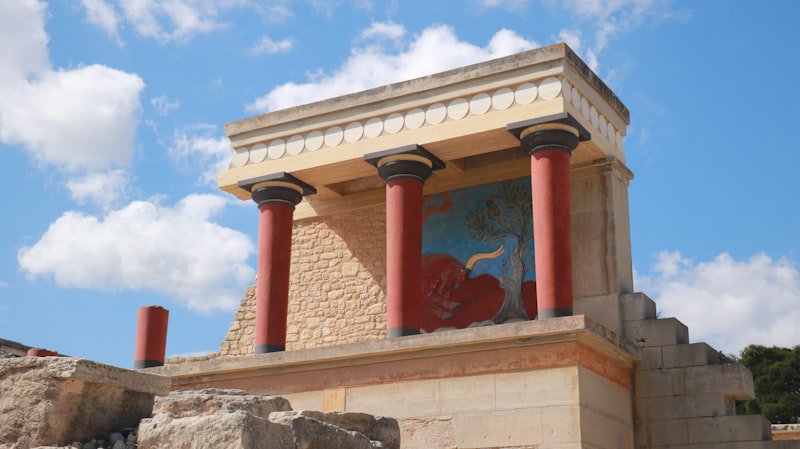
Crete was once home to the Minoan Civilization, considered the first highly developed society in Europe. At its centre stood Knossos Palace, widely regarded as Europe's first city and the political, ceremonial, and cultural heart of Minoan Crete nearly 5,000 years ago. Inhabited for several thousand years (the earliest traces date back to the 7th millennium BC), the site grew into a vast, sophisticated complex before its destruction around 1375 BC.
The palace isn't a single building but an extensive complex of roughly 22,000 square metres, built on a largely artificial hill: royal residences, administrative offices, workshops, storage rooms, and religious spaces, organised around a central courtyard. It's famous for its advanced architecture (multi-storey buildings, light wells, and one of the earliest known plumbing and drainage systems) and its colourful frescoes of nature, ritual, and daily life. The Throne Room's carved stone seat is believed to have been ceremonial rather than a literal royal seat, and the Royal Road connecting the palace to the city is considered one of the oldest paved roads in Europe.
The site is deeply entwined with myth: according to legend, King Minos ruled from here and ordered the construction of a vast Labyrinth to hide the Minotaur, half man and half bull. Wandering the palace's winding, interconnected corridors, it's easy to see how the layout gave rise to a story of a place where one could lose their way forever.
Old Venetian Harbour
Built between the 13th and 17th centuries under Venetian rule, the harbour was a vital trade centre connecting Crete with major ports across Europe, North Africa, and the Near East. At its entrance stands the imposing Koules Fortress, once used to defend the city from naval attacks and control access to the port. Today it blends history with modern life: scenic views, fishing boats, and a lively atmosphere that reflects Heraklion's enduring connection to the sea.
25th August Street
One of the most elegant and historically significant streets in Heraklion, connecting the Venetian Harbour with the city centre. Lined with neoclassical buildings, cafés, and boutiques, it's named after the events of 25 August 1898, when a violent uprising against Ottoman rule marked a turning point in Crete's path toward independence. Today it's a lively pedestrian route where history and modern city life blend together: a perfect place to feel the rhythm of Heraklion as you walk between past and present.
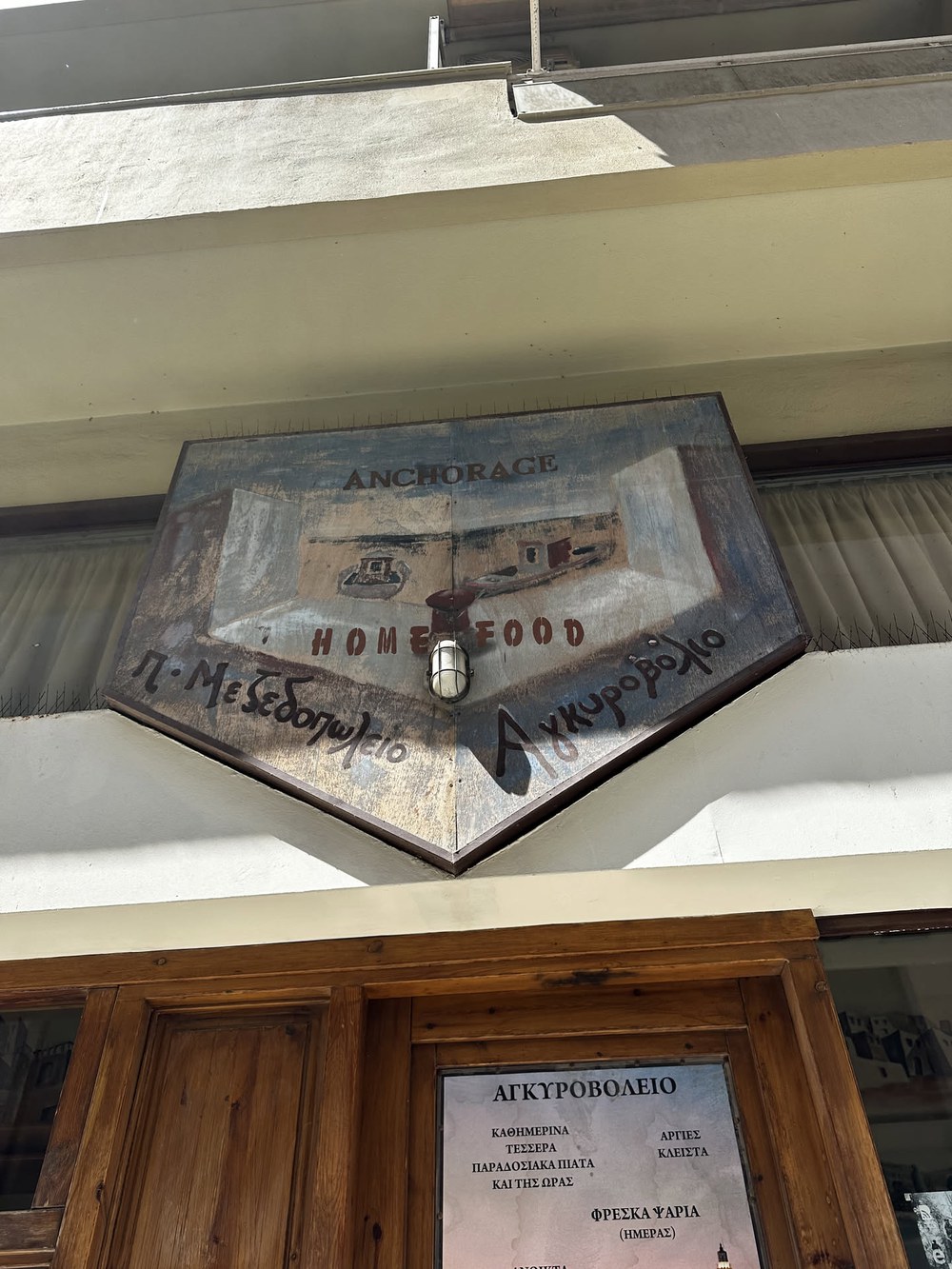
Lunch at Anchorage (Αγκυροβόλιο)
A traditional meze restaurant we stumbled into on a whim, and one of the best meals of the whole trip. Everything is cooked fresh that day, and the owner was so generous he brought us out all the food they had left. A proper, unplanned highlight, exactly the kind of place worth building a lunch break around.
Lion Square
One of the most vibrant meeting points in Heraklion, where locals and visitors gather among cafés, shops, and constant city life. At its centre stands the Morosini Fountain, built in the 17th century during Venetian rule and decorated with four stone lions that give the square its name. Once providing fresh water to the city, it's now a lively landmark where history and atmosphere come together.
1866 Street
Heraklion's traditional market street, running off Lion Square and lined with stalls selling Cretan cheese, herbs, olive oil, knives, and leather goods. Loud, fragrant, and thoroughly local, it's the best place to pick up an edible souvenir or just soak up everyday Heraklion life.
Jesus Gate (Porta Gesù)
One of the surviving gates in Heraklion's Venetian walls, and a striking reminder of the city's fortified past. Built between the 15th and 17th centuries as Heraklion became one of the most heavily defended strongholds in the Mediterranean, the walls stretch about 4.5 kilometres with seven bastions built to withstand artillery, strong enough to resist Ottoman attacks for over 20 years before the city finally fell in 1669. The gate remains one of the finest examples of Renaissance military architecture in Greece.
Heraklion Archaeological Museum
One of Greece's most important museums, and the best place to make sense of everything you've just walked through. It holds the world's largest collection of Minoan artefacts, including frescoes, pottery, and treasures excavated directly from Knossos itself. Just a couple of minutes from Lion Square, it's an easy stop before lunch.
More to See in Crete
If you're extending your trip, here's what's worth the detour, with roughly how far each is from Skaleta.
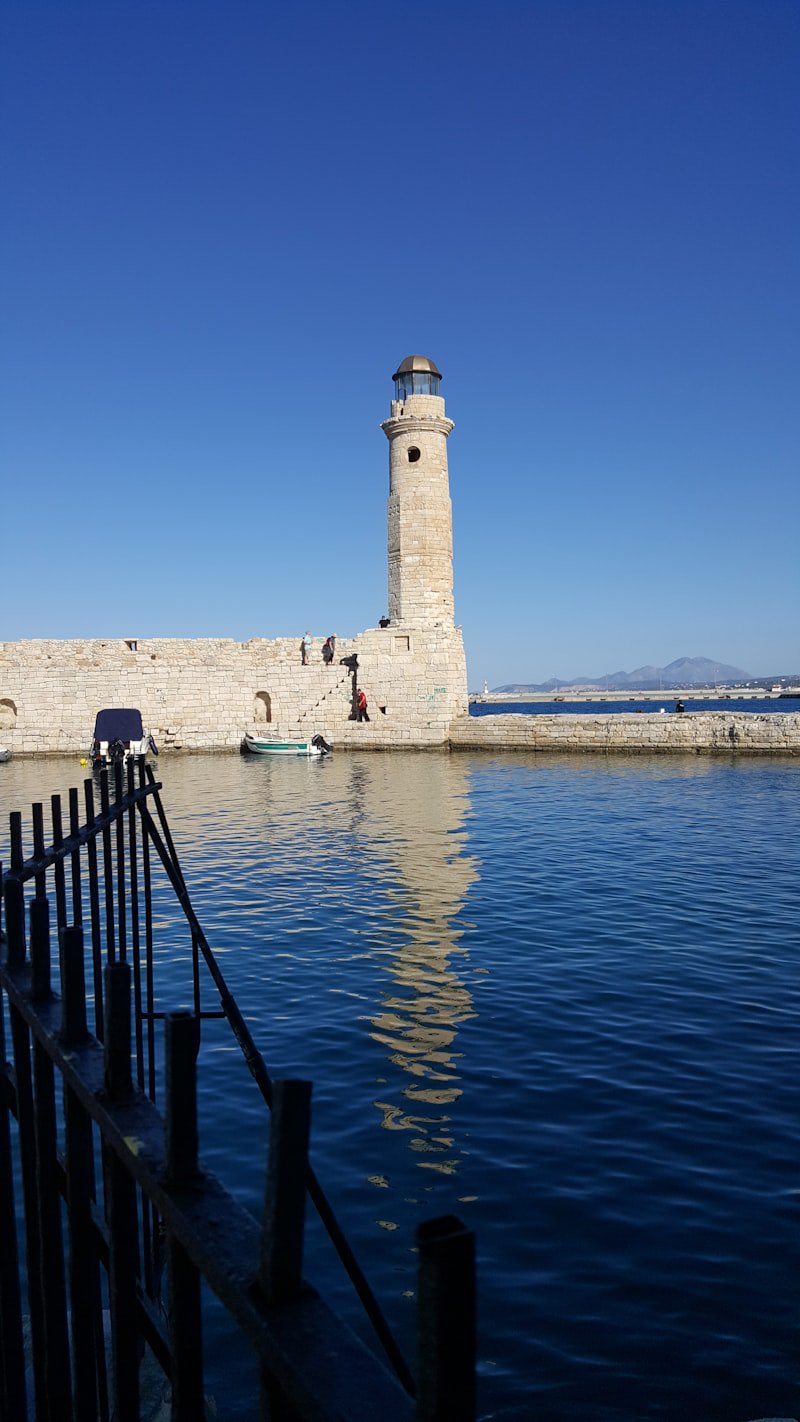
Rethymno Old Town
The nearest proper town to Skaleta: a Venetian old town with a fortress, a long sandy beach, and easily the lowest-effort option if you just want a few hours away from the villa.
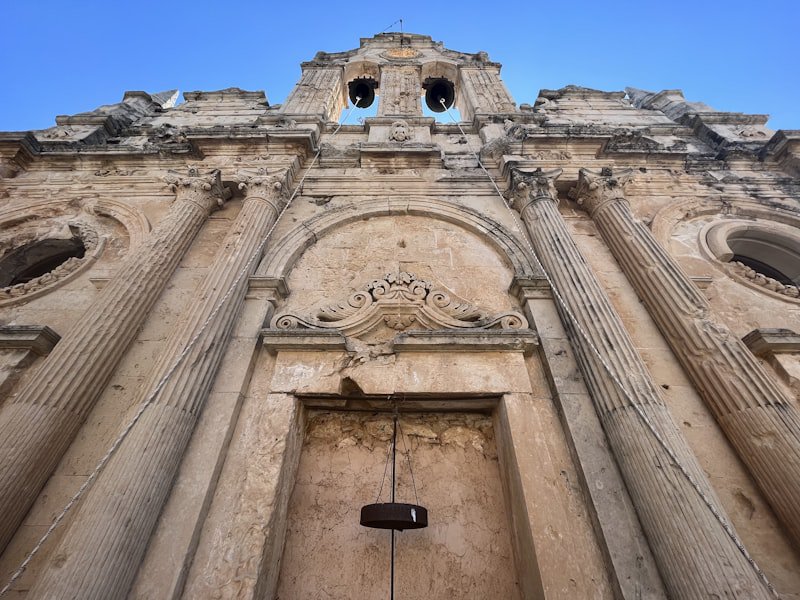
Arkadi Monastery
A 16th-century monastery and a powerful symbol of Cretan resistance during the 1866 uprising against Ottoman rule. Quiet, beautiful, and easy to combine with a Rethymno day.
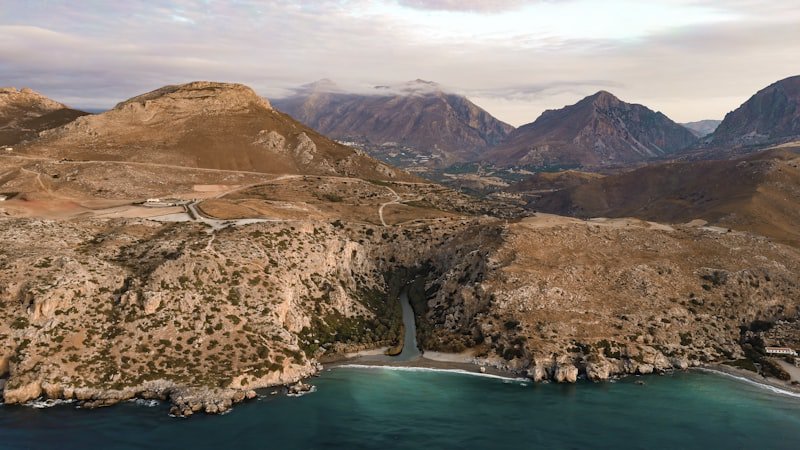
Preveli Beach & Palm Forest
A palm-lined river meets the sea at this striking beach on Crete's south coast, one of the island's most photographed spots, and a proper contrast to Skaleta's north coast.
Heraklion & Knossos
Crete's capital and the Minoan palace of Knossos. See our own tested walking tour above if you want to do it exactly as we did.
Chania Old Town
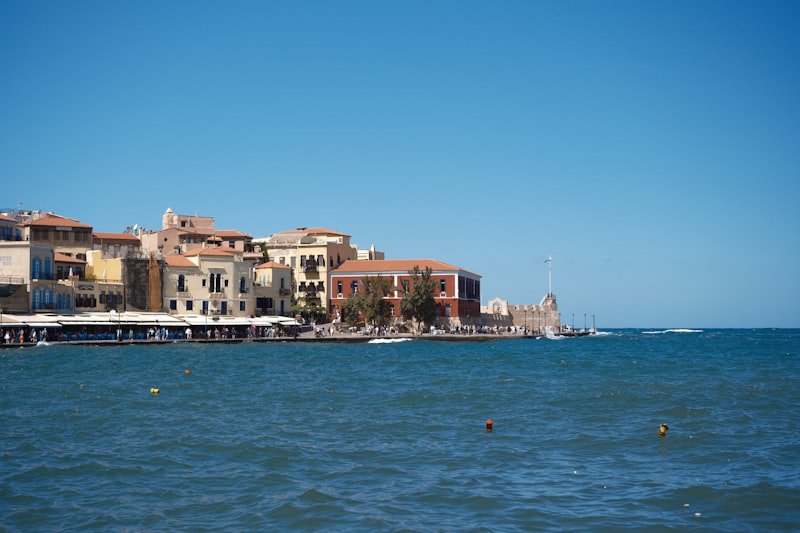
Often called Crete's most beautiful town: a Venetian harbour, a maze of old streets, and some of the island's best tavernas. Easily a full day on its own.
Agios Nikolaos & Spinalonga
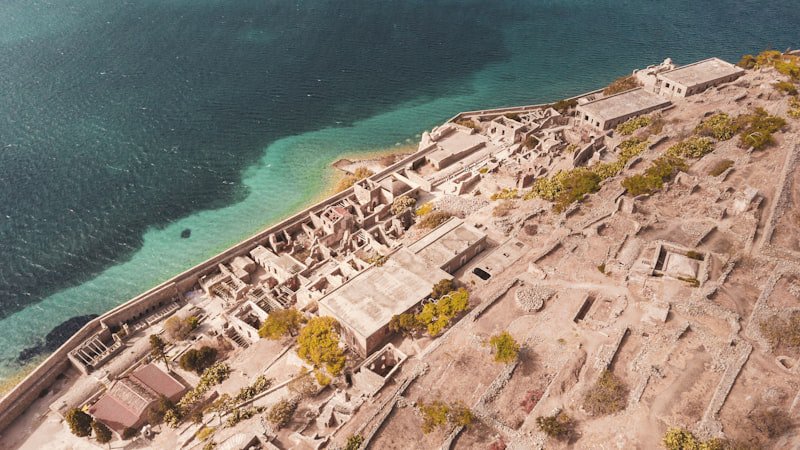
A pretty harbour town on the east coast, and the departure point for boats to Spinalonga, a former Venetian fortress and, later, leper colony island, now a haunting and fascinating ruin.
Balos Lagoon
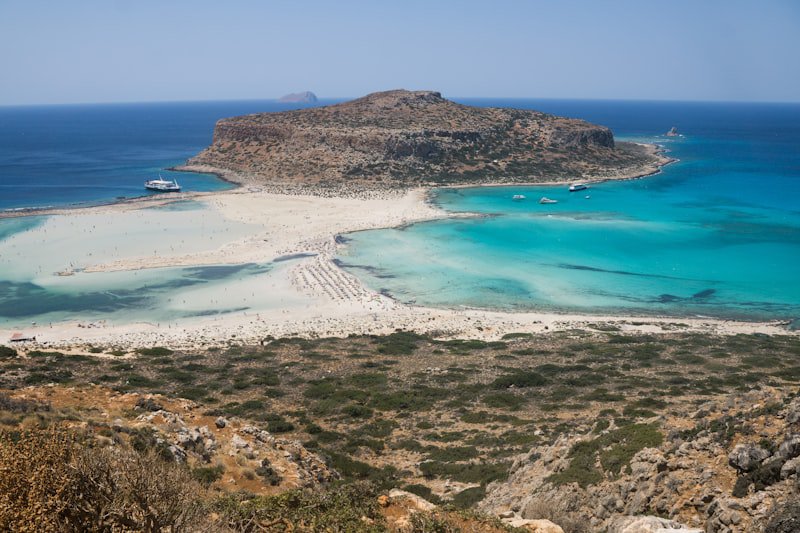
Turquoise water and white sand at the very tip of the Gramvousa peninsula, past Chania: one of the most striking beaches in Greece. Reachable by 4x4 and a hike, or by boat tour.
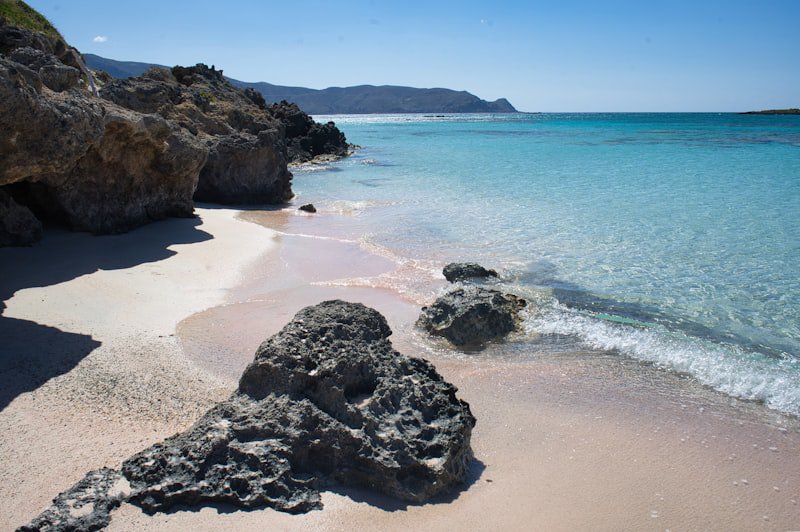
Elafonisi Beach
Famous for its pink-tinged sand and shallow, lagoon-like water. A long drive from Skaleta, but a proper day trip for beach lovers on the far southwest coast.
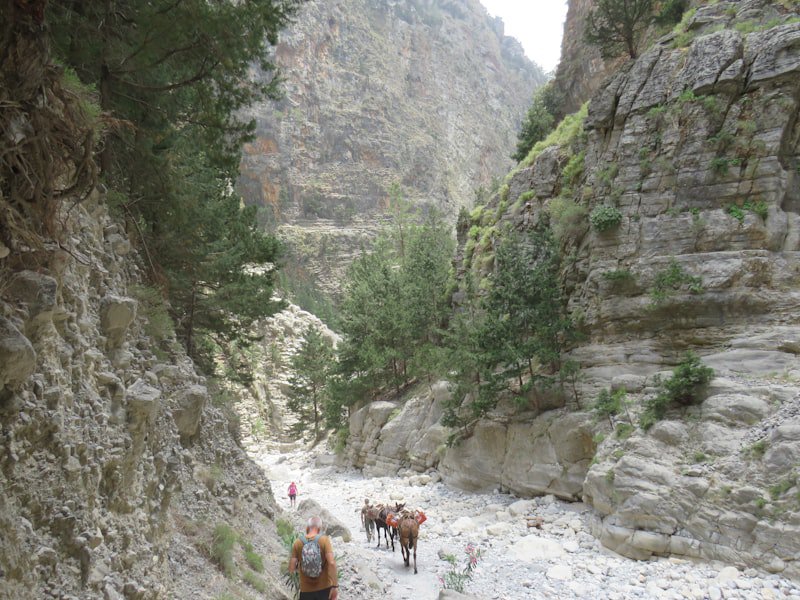
Samaria Gorge
One of Europe's longest gorges and a full-day hike (~16 km, one way), through the White Mountains down to the Libyan Sea. Needs an early start and a full day: best for anyone staying on a while.